
Volunteering
How to become a hospice volunteer in Dallas-Fort Worth
Learn the usual steps to become a hospice volunteer in Dallas-Fort Worth, from choosing a role to screening, training, matching, and service.
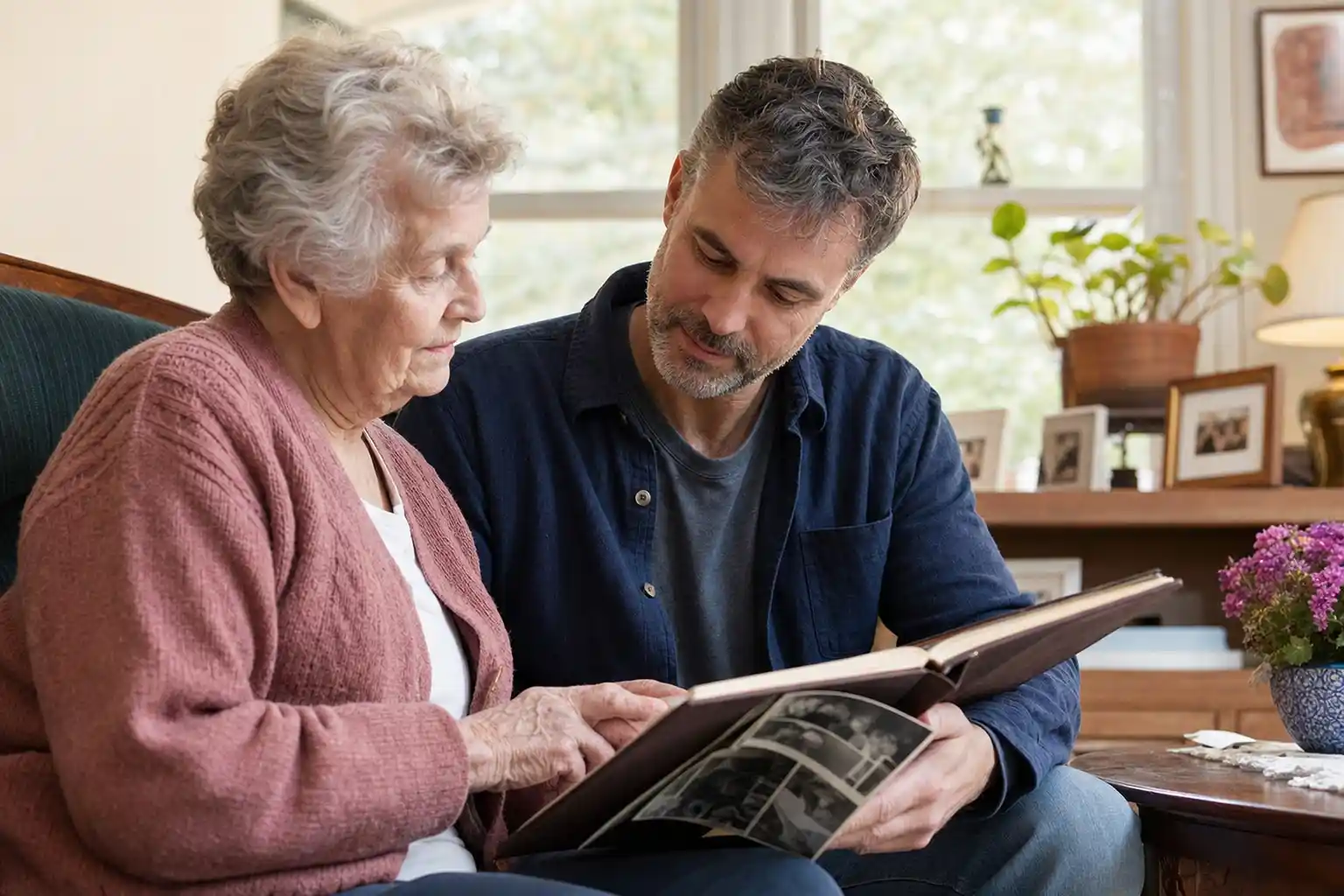
Becoming a hospice volunteer usually begins with a conversation, not an assignment. You explore possible roles, learn the expectations, complete the required screening and training, and begin only after the hospice confirms a suitable match.
Hospice volunteers serve people during a deeply personal season of life. That is why a good volunteer program moves thoughtfully. It should help you understand the role, protect patient and family privacy, and prepare you before you have any direct contact.
The exact process depends on the hospice, the role, and current program needs. The steps below explain what prospective volunteers in Dallas-Fort Worth can generally expect.
1. Decide how you hope to help
Start by thinking about the kind of service that feels sustainable for you.
You may be drawn to patient and family companionship. You may prefer an administrative, outreach, event, or other behind-the-scenes role. You may also have a language, creative, veteran, or certified skill that could fit a specialized opportunity if the hospice offers one.
Ask yourself:
- Am I comfortable spending time with people facing serious illness?
- Would I rather help directly or behind the scenes?
- Do I prefer a predictable weekly schedule or occasional projects?
- How far can I reasonably travel?
- Am I comfortable following privacy rules, boundaries, and staff direction?
You do not need to force yourself into direct patient service. A role that matches your temperament and availability is more useful than one that only sounds meaningful.
2. Express interest without sharing patient information
An initial volunteer inquiry should focus on you: your interests, availability, ZIP code, preferred contact method, and relevant experience.
Do not include a patient's name, diagnosis, medical record, Social Security number, or other private information. A volunteer interest form is not the place for a patient referral or medical details.
Caritas uses a guided role-matching experience on its volunteer page so prospective volunteers can explore fit before a formal application. Online submission will open after Caritas confirms the contact and review process.
3. Talk with the volunteer coordinator
A coordinator conversation helps both sides decide whether to continue. You can ask which roles are currently needed, how often volunteers serve, where assignments happen, and what training or screening applies.
Useful questions include:
- Which volunteer roles are currently active?
- Are there patient-facing and non-patient options?
- What time commitment does this role require?
- What happens if I need to pause?
- How are volunteers supervised?
- Who should I contact when a question or concern comes up?
Expressing interest does not guarantee a particular placement. Patient wishes, location, schedule, program needs, screening, and training all affect the match.
4. Complete the formal application and screening
Federal hospice rules require volunteers to have defined roles and appropriate supervision. Texas requirements can also apply to volunteer records, qualifications, agreements, performance review, and screening.
For direct-contact roles, the process may include references, criminal history review, registry checks, health documentation, or other role-appropriate requirements. A specialized role may require an active credential or proof of insurance.
This information belongs in the secure formal process selected by the hospice, not in a short public interest form.
5. Complete orientation and role-specific training
Federal regulations require hospice volunteer orientation and training to be documented and consistent with hospice industry standards. Training should also fit the work the volunteer will perform.
Topics may include:
- Hospice philosophy and the role of the care team
- Patient rights, dignity, privacy, and confidentiality
- Communication and listening
- Grief, loss, and emotional boundaries
- Safety, infection prevention, and reporting concerns
- What volunteers may and may not do
- The process for documenting service
Training is not a formality. It gives volunteers a clear framework for being helpful without stepping beyond their role.
6. Wait for an appropriate match
Patient-facing service should begin only after the hospice approves the volunteer and confirms an assignment. Matching may consider location, interests, schedule, language, personality, patient preference, and the kind of support requested.
There may not be an immediate assignment that fits. A thoughtful wait is better than an unsuitable placement.
7. Serve with supervision and support
Hospice volunteers work in defined roles under the supervision of a designated hospice employee. They do not replace nurses, hospice aides, social workers, chaplains, or family caregivers.
Volunteers should know who supervises them, how to report a concern, how service is documented, and what to do when a patient's condition or circumstances change.
What hospice volunteers do not do
Unless a person is separately qualified, authorized, and serving in another professional capacity, a hospice volunteer should not:
- Give medication or medical advice
- Lift, transfer, bathe, or provide unapproved hands-on personal care
- Make clinical decisions
- Access protected patient information without authorization
- Contact or visit a patient before an approved assignment
- Promise services or outcomes on behalf of the hospice
Clear boundaries protect the patient, family, volunteer, and care team.
Start by finding your fit
You do not need to know the perfect role before you begin. Explore the Caritas Hospice volunteer page, compare patient-facing and behind-the-scenes possibilities, and use the guided matcher to identify a useful starting point.
The goal of the first step is not to commit. It is to learn whether hospice volunteering, the available role, and the program expectations are right for you.
About this guide
Written by Caritas Hospice Editorial Team
Published July 27, 2026
Sources
This article is for general educational information and does not replace medical advice or an individual hospice eligibility assessment.